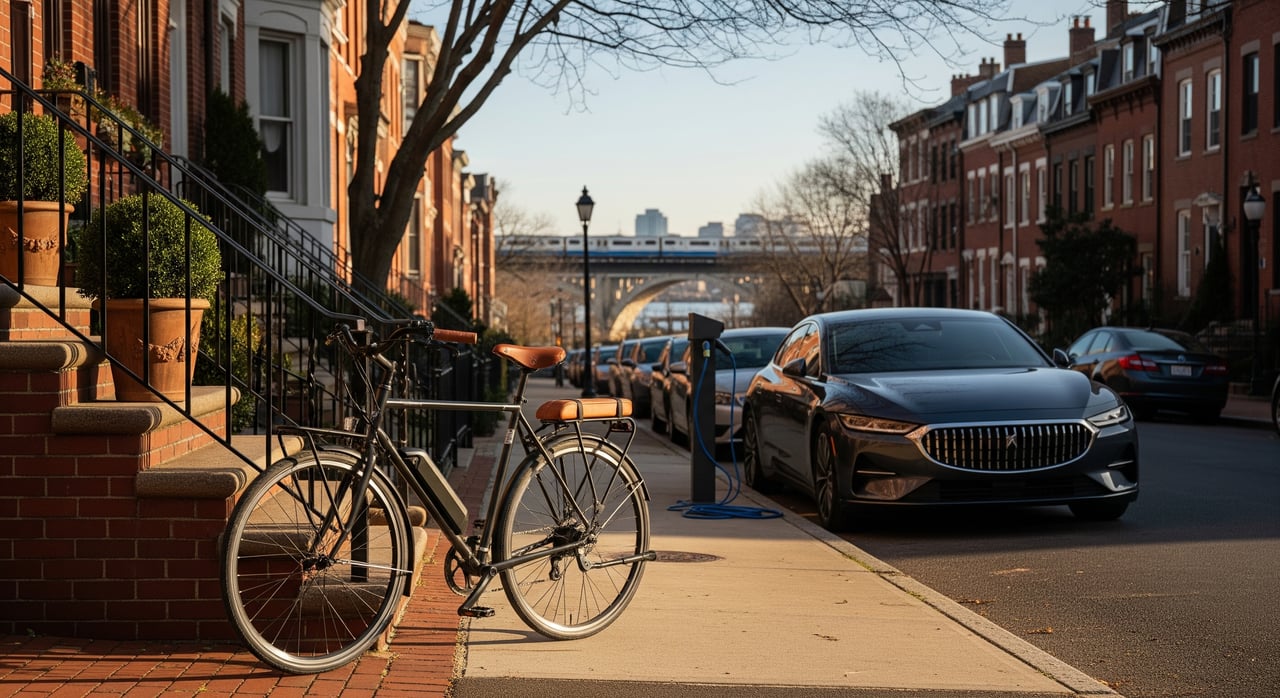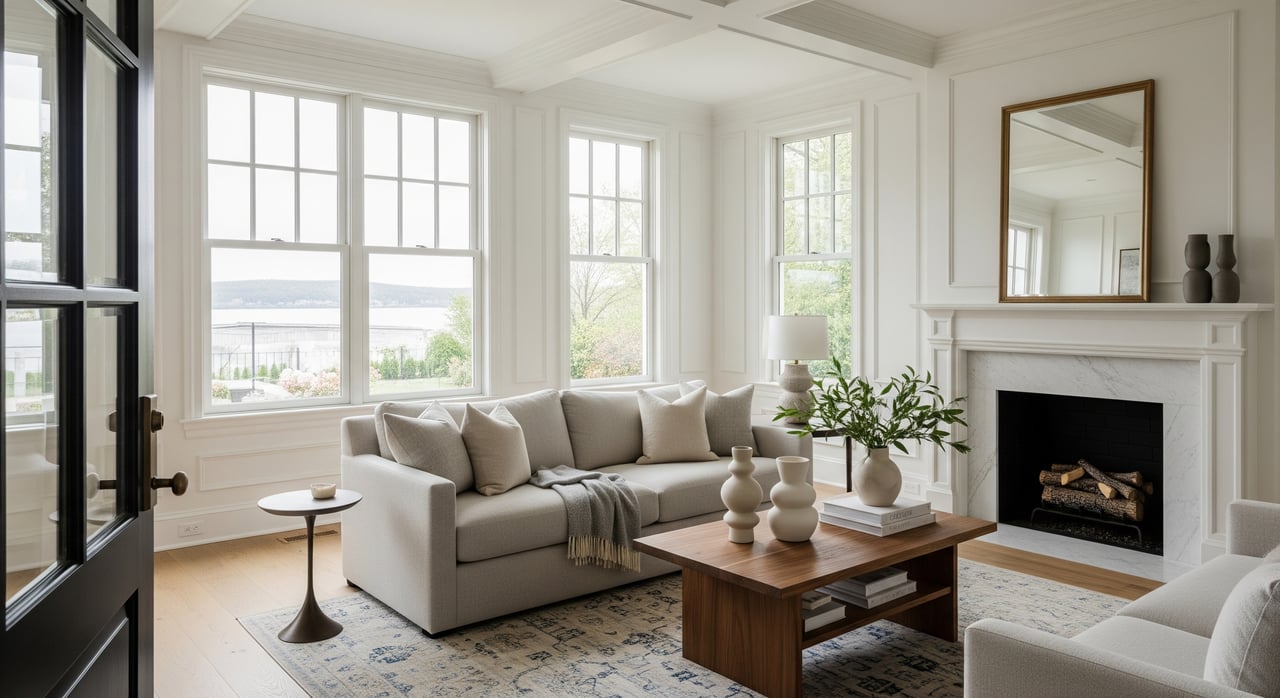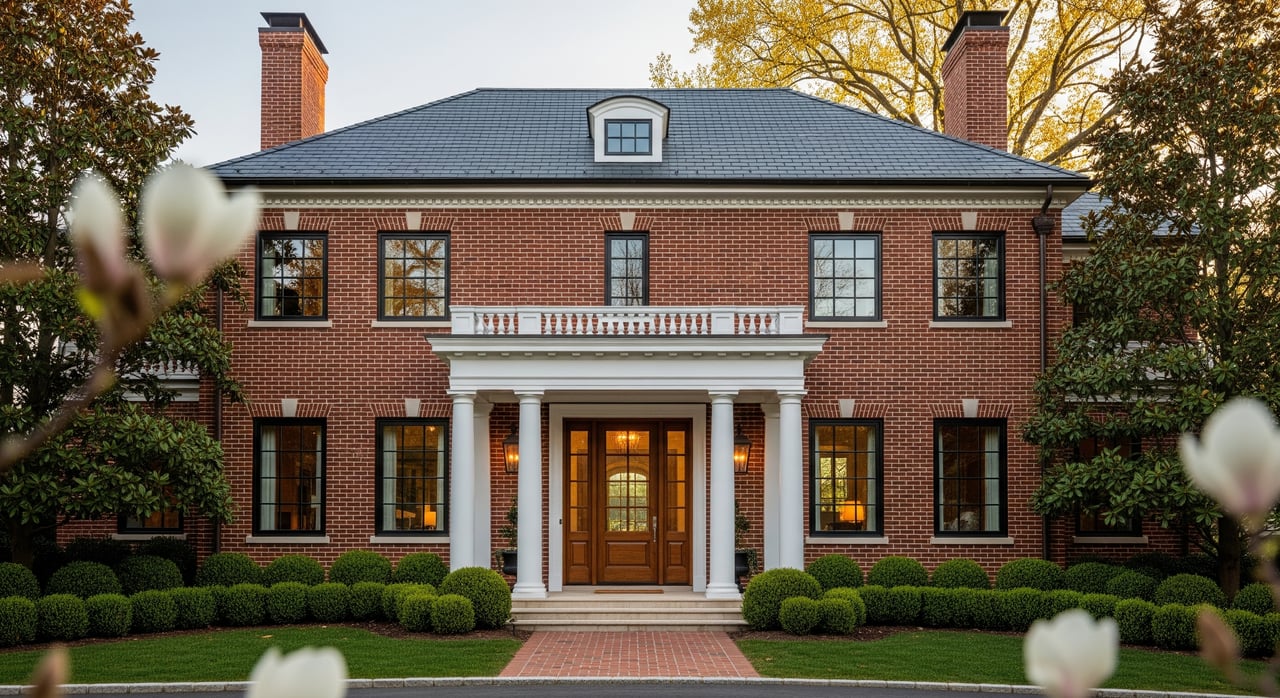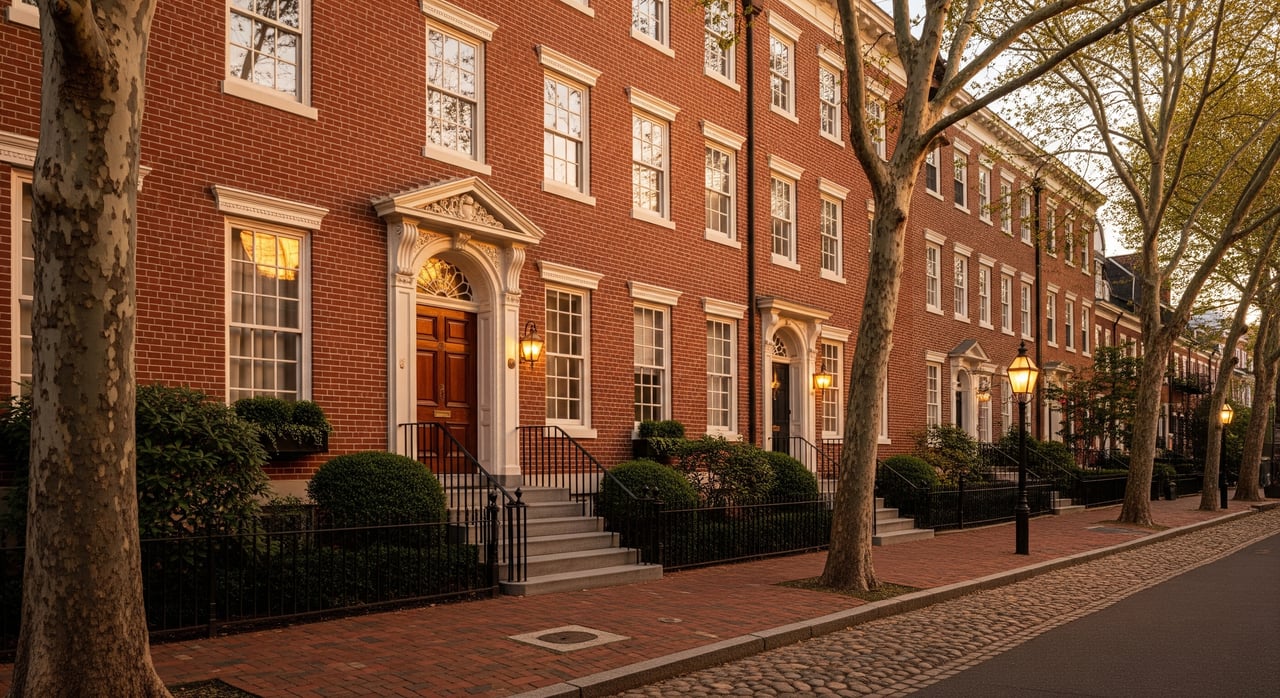
Love the brick-lined streets and period details of Old Town, but worried about surprise repairs or red tape? You’re not alone. Buying a historic home here is rewarding, yet it comes with different rules, inspections, and maintenance than newer construction. In this guide, you’ll learn what “historic” really means in Old Town, which issues to look for, how to plan inspections and permits, and the smart steps that keep your purchase on track. Let’s dive in.
What “historic” means in Old Town
Old Town sits within Alexandria’s Old & Historic District, home to many 18th and 19th century buildings under local preservation oversight. The city’s review board evaluates exterior changes that are visible from the street. You should expect most exterior alterations and material changes to require formal approval before work begins. Larger projects and any demolition may need a certificate of appropriateness.
Listing on state or national historic registers often provides context and potential incentives. For most private residences, these listings are largely honorary and do not dictate everyday maintenance. Still, they can influence eligibility for certain programs. If you plan renovations, start early with the city’s preservation staff to understand what is allowed and the likely timeline.
Architecture and features you’ll see
Common home types
You’ll find brick rowhouses and townhomes, Federal and Georgian styles, and some Victorian-era houses. Carriage houses and converted outbuildings appear on quieter blocks. Closer to the river, you may see small detached cottages and narrow-footprint homes.
Materials and details
Expect brick masonry with historic mortar, wood framing, and plaster interiors that may include horsehair. Many homes have original wood sash windows, transoms, shutters, and period doors and hardware. Look for cornices, brickwork details, stoops, and wrought-iron or wood railings that define Old Town’s character.
Modern retrofits
Interiors are often updated over time with newer kitchens and baths. Where ductwork is hard to add, mini-split HVAC systems are common. Electric service may be upgraded in stages, and you may see storm windows or replaced units protecting original sashes.
Why it matters
Historic materials affect maintenance, energy performance, and repair methods. Brick repointing, for example, uses specific mortar mixes to avoid damaging old bricks. Single-pane windows and uninsulated walls can feel less efficient. You’ll want contractors who understand historic masonry, plaster, and woodwork.
Maintenance issues to expect
Every home is different, but the following are common in older properties. Plan to ask about them and budget accordingly.
- Foundations and moisture. Older stone or brick foundations can show settlement cracks or moisture intrusion. Basements and crawlspaces may be damp. Homes near the Potomac may have higher flood risk, so confirm flood history and insurance needs.
- Roofs and chimneys. Slate, cedar shake, or older composition roofs can be near the end of their service life. Chimneys often need crown or flue work, and leaks at flashing are common.
- Windows and exterior wood. Original wood sashes may be drafty and need reglazing and weatherstripping. Replacements can be costly and may require historic review if visible from the street.
- Electrical systems. Knob-and-tube or early ungrounded wiring can bring safety and insurance issues. Limited circuits and older panels can restrict renovations.
- Plumbing. Galvanized steel piping can corrode and reduce flow, and older lead-soldered joints are common. Cast-iron sewer lines may need repair or replacement.
- Heating and cooling. Steam or hot-water radiators can still work but may be inefficient. Adding ducted central air can be invasive in tight floor plans.
- Hazardous materials. Homes built before 1978 may have lead-based paint, and mid-century remodels may include asbestos-containing materials. Extra care is required before you renovate.
- Pests and rot. Termites and other wood-destroying insects occur in older urban homes, and exterior wood can rot where moisture collects.
- Historic finishes. Plaster and original millwork look great but often require specialized repair methods and can cost more than modern replacements.
Inspections and tests that matter
Standard inspection
Schedule a thorough home inspection and choose a pro who has experience with historic properties. Ask how they document issues specific to older construction, such as lime mortar, plaster, and original windows.
Specialist evaluations
Depending on what your inspector finds, plan for the following:
- Masonry and foundation evaluation by a structural engineer if settlement or significant cracks appear.
- Chimney inspection and flue sweep.
- Electrical evaluation by a licensed electrician, especially if older wiring is present.
- Pest inspection for wood-destroying insects.
- Lead-based paint assessment or testing for pre-1978 homes, especially if children will live there.
- Asbestos inspection if mid-20th-century materials are suspected and you plan renovation.
- Radon testing, since levels vary by neighborhood.
- HVAC and chimney flue carbon monoxide testing for safety.
Disclosures and rules
Federal lead-paint disclosure rules apply to homes built before 1978. The seller must share known information and provide the required pamphlet. Local Alexandria disclosures may also apply, so review them with your agent.
Permits and timelines
Exterior changes visible from public streets generally require historic-review approval and a permit. That process can add weeks or months to your project. If you expect to do significant exterior work, build those timelines into your offer and closing plans.
Insurance and flood considerations
Insurers may require electrical or safety upgrades on older homes. Roofing, chimneys, and structure can affect coverage or premiums. If the property lies in a mapped floodplain, separate flood insurance may be required.
Budgeting and costs
Preserving historic fabric often costs more per unit than standard replacement. Slate roofs, window restoration, and proper repointing are skilled trades. Get contractor estimates during your inspection period, and keep a renovation contingency in your budget.
Financing options to explore
Renovation loans can help you update while you buy. Buyers commonly consider FHA 203(k) rehab loans and Fannie Mae HomeStyle Renovation loans, depending on eligibility and scope. VA loan options may allow certain repairs or allowances; check with an approved VA lender.
Some federal historic tax incentives focus on income-producing properties rather than owner-occupied homes. State or local programs may exist, and eligibility varies. Your lender and local preservation office can help you evaluate what fits your plan.
Buyer checklist for Old Town
Ask the seller or listing agent
- What is the construction date and renovation history, including electrical, plumbing, roof, and structural changes?
- Were exterior changes approved through the historic-review process? Are permits on file for major work?
- Any past flooding, foundation movement, pest issues, or mold? Are maintenance records or warranties available?
- Recent termite, chimney, roof, or HVAC service records?
- Is the home in a floodplain or subject to easements or covenants that limit changes?
- For pre-1978 homes, has the lead-based paint disclosure been provided?
Ask during and after inspections
- Which items are safety defects versus maintenance or preservation items?
- If knob-and-tube exists, what are the safety and insurance impacts, and what might rewiring cost?
- Are there signs of active moisture intrusion or structural movement? What is the recommended repair priority?
- Can historic materials be repaired instead of replaced? What are sensitive options versus modern replacements?
- Are temporary steps like dehumidification or gutter fixes recommended right away?
Negotiation strategies
- Include a strong inspection contingency and time for specialists.
- Request seller credits or price reductions for major items, or require completion of specific safety repairs before closing.
- If your plans need historic review, negotiate contingencies tied to permits and approvals, or seek pre-application guidance from preservation staff.
- If the seller completes repairs, require licensed contractors and proof of permits and inspections.
Pros to have on your team
- Home inspector experienced with historic properties.
- Structural engineer for masonry or foundation concerns.
- Licensed electrician and plumber familiar with older systems.
- Historic-preservation contractor for masonry, windows, plaster, and woodwork.
- Preservation architect or design professional for larger projects that need review.
Living with history: clear expectations
Old Town’s historic homes offer character that new builds cannot copy. In return, you balance preservation standards, longer permit timelines, and specialized upkeep. If you plan ahead, hire the right experts, and budget for sensitive repairs, you can protect the home’s value while making it livable for today. That balance is the key to loving your Old Town home for years to come.
Ready to explore homes with confidence and a clear plan? Reach out to me. I’ll help you weigh charm against costs, map out inspections and approvals, and negotiate with your goals in mind. Start the conversation with Jackie Eul.
FAQs
What is a historic district in Old Town Alexandria?
- It is a locally regulated area where exterior changes visible from public streets are reviewed to preserve architectural character.
Do I need approval to replace windows in Old Town?
- If replacements are visible from the street, you should expect historic-review approval and a permit before work begins.
Are flood risks common near the Potomac in Old Town?
- Some homes are in higher-risk areas; check flood maps, history, and insurance needs during your due diligence.
What inspections are essential for an 1800s rowhouse?
- A historic-savvy home inspection plus chimney, electrical, pest, and foundation evaluations, with lead, asbestos, and radon testing as needed.
Can I use a renovation loan for a historic home?
- Many buyers look at FHA 203(k) or Fannie Mae HomeStyle loans; eligibility and scope vary, so confirm with your lender.
How do I handle old plaster and windows during repairs?
- Ask pros about repair options that preserve historic materials, like plaster patching and sash restoration, before considering replacements.
Will insurance be harder to get on an older home?
- Insurers may require safety upgrades or charge higher premiums for older systems or roofs; shop coverage early in your process.