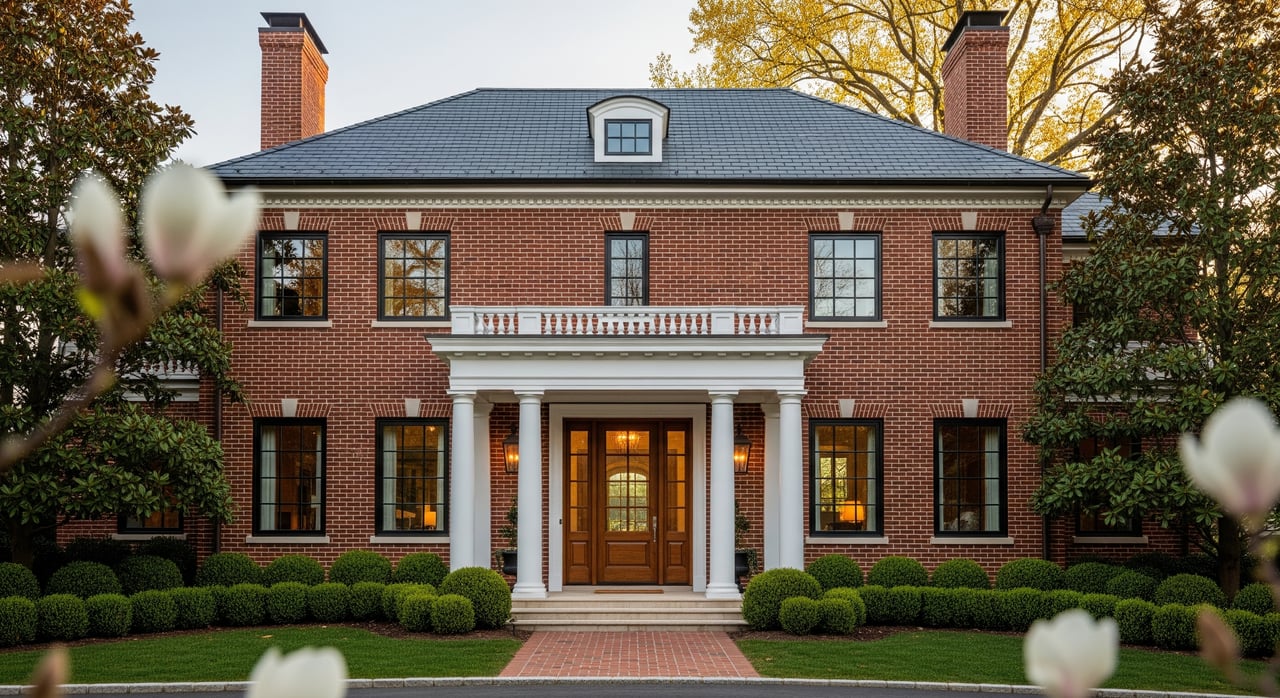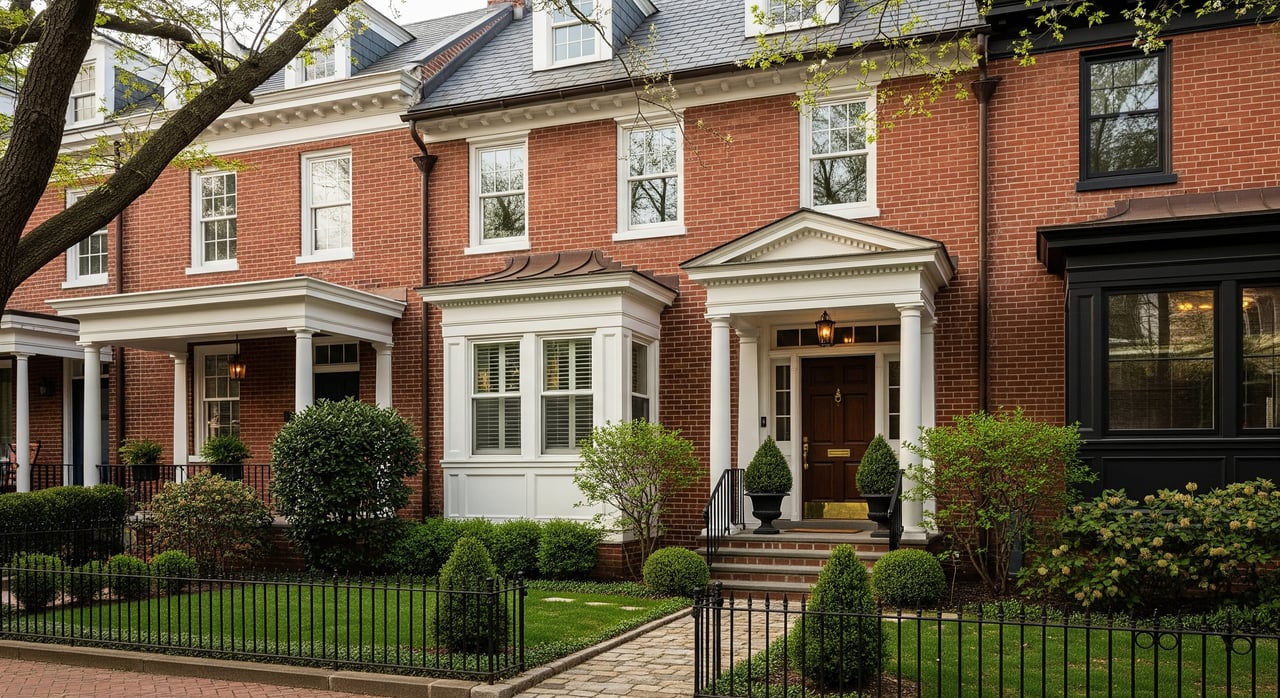
You spot the right home in Del Ray and know it will draw multiple offers. You want to win without blindly bidding your max. That is where an escalation clause can help. In this guide, you will learn what an escalation clause is, how it works in Virginia, when to use it in Del Ray and Arlington, and how to draft it so it protects you. Let’s dive in.
What an escalation clause is
An escalation clause is an addendum that automatically raises your offer price above a competing offer by a set amount, up to a cap you choose. It is designed to keep you competitive without starting at your top dollar. You set three things: your base price, your increment, and your maximum cap.
In simple terms, if a seller receives another written offer at a higher price, your offer “jumps” by the increment to beat it, but it will never exceed your cap.
How it works in practice
Here is the flow you can expect in a multiple-offer situation:
- You submit a base offer plus an escalation addendum.
- The seller receives a bona fide, written competing offer at price X.
- Your offer increases to X plus your increment, as long as that new price stays at or below your cap.
- The seller provides proof of the competing offer per your addendum and decides whether to accept or counter.
This process is straightforward when the clause is clear and both sides follow the proof steps.
Virginia forms and rules
In Virginia, brokers often use Virginia REALTORS purchase agreements with custom escalation addenda drafted by your agent or attorney. There is no single statewide statutory template, so language varies by brokerage. Virginia licensees must follow agency duties and avoid misrepresentation. Sellers do not have to disclose competing offers, but many will provide a redacted copy or a signed certification if your clause requires proof.
Escalation clauses are generally enforceable in Virginia when they are clear. Ambiguities about what counts as a competing offer or how to calculate price can create disputes, so clarity is key.
Del Ray and Arlington market fit
Del Ray and many Arlington neighborhoods often have low inventory and frequent multiple-offer situations for well-presented homes. In these conditions, an escalation clause can be useful, but it is not a guarantee. Some sellers prefer a simple highest-and-best format and may ignore or counter an escalation. Others like the documented process because it shows how your final price was reached.
The bottom line: use an escalation clause as one tool in a broader strategy.
Draft it right
Key components to define
- Base price: Your initial offer on the main contract.
- Increment: The dollar amount you will beat a competing offer by, such as 2,000 or 5,000.
- Cap: Your maximum price under the clause.
- Proof requirement: Define what proof the seller must provide and the timing.
- Competing offer definition: Limit escalation to bona fide, written offers for the same property and comparable terms.
Choosing increment and cap
Your increment should be large enough to beat a typical spread but small enough to avoid overpaying. Your cap must fit your budget and likely appraisal outcomes. Use recent comparable sales and your financing plan to set both with confidence.
Proof of competing offer
Ask for a redacted copy of the competing offer or a seller-signed certification. Include a clear delivery window, such as within 24 to 48 hours of acceptance. State what happens if proof is not provided, such as proceeding at the base price or allowing you to rescind the escalation.
Handling different terms
Define what counts as a “competing offer.” Consider whether offers with shorter closings, different contingencies, or higher earnest money qualify. You can specify that escalation applies only to offers with materially similar terms, so a much riskier offer does not trigger your escalation.
Avoid double counting
State that your increment applies only once and only to the competing offer’s price. Clarify whether seller concessions or credits are included or excluded when calculating the comparison so your final price is clear.
Financing, appraisal, and inspections
If your price escalates, it could exceed the appraised value. Lenders base loans on appraisals, so you may need extra cash to close if the appraisal comes in short. Decide in advance whether you will include appraisal-gap coverage, rely on your appraisal contingency, or bring additional funds. Also consider how inspection and financing timelines will fit if your price escalates.
Strategy: when to use or skip
Checklist before you escalate
- Confirm with your lender how much you can bring if the appraisal is low.
- Set a cap based on comps, budget, and comfort.
- Use a clear addendum that defines proof, timing, and consequences.
- Decide which contingencies you will keep or modify.
- Ask your agent about the listing agent’s stance on escalation clauses.
- Add short deadlines for seller proof and acceptance to reduce uncertainty.
Smart alternatives that win
- Submit your strongest clean offer with a firm top price.
- Offer a defined appraisal-gap guarantee.
- Increase earnest money or shorten key timelines.
- Complete a pre-inspection where feasible or rely on available reports.
- Provide a backup offer if timing or preferences are uncertain.
Pros and cons at a glance
- Pros: You remain competitive without showing your max upfront. It can appeal to sellers who want documented pricing. It may be less risky than guessing at an open-top bid.
- Cons: A seller may refuse to share proof. Your price can exceed appraisal, which adds financing risk. Your cap can hint at your willingness to pay and invite a counter. Poor wording can create disputes.
If a seller resists proof
You can allow a seller certification as acceptable proof if they will not share a redacted contract. Be prepared for a highest-and-best request that overrides the clause and calls for your best final price. Treat that request as your signal to submit the strongest clean offer you can.
When to consult counsel
If your clause includes complex terms, net-proceeds comparisons, or unusual concessions, ask your agent to coordinate with an attorney. If you believe a seller relied on a non-existent offer or failed to provide agreed proof after acceptance, consult your agent promptly and seek legal guidance as appropriate.
A quick example
Say you offer 900,000 with a 5,000 increment and a 940,000 cap. If the seller gets a written offer for 930,000, your offer jumps to 935,000. If the top offer is 939,000, your offer jumps to 944,000 but your 940,000 cap limits your price. The seller then accepts or counters based on all terms, not just price.
Putting it together
In Del Ray and Arlington, escalation clauses can help you compete while protecting your limits. The best results come from clear language, realistic caps, firm proof timelines, and a plan for appraisal and contingencies. Use escalation as one part of a strong offer package tailored to each listing and seller preference.
If you want help crafting the right strategy for a Del Ray or Arlington home, reach out to Jackie Eul. You will get local expertise and a clear plan from first tour to closing.
FAQs
What is an escalation clause in Virginia real estate?
- It is an addendum that raises your offer price by a set increment above a bona fide competing offer, up to a maximum cap you choose.
Are escalation clauses enforceable in Virginia?
- Yes, when they are clear and unambiguous; vague terms about comparisons or concessions can lead to disputes, so precise language is important.
Should I use an escalation clause in Del Ray or Arlington?
- Consider it in multiple-offer situations, especially with low inventory, but weigh seller preferences since some request highest-and-best instead.
How does an escalation clause affect appraisal and financing?
- If your price escalates above appraised value, your loan amount may fall short; you may need to bring cash or rely on appraisal or financing contingencies.
Can a seller refuse to show competing offers?
- Yes, sellers are not required to disclose other offers; include a proof requirement, such as a redacted copy or a seller certification within a set timeframe.
What happens if the seller asks for highest and best?
- That request can override escalation mechanics; submit your strongest clean offer at the top of your comfort range and timeline.
What increment and cap should I choose?
- Base them on recent comps, your budget, and likely appraisal; choose an increment that reliably beats small price gaps without pushing you past your limits.